SteriPuram Home

Category

Patient Safety & Infection Control

16 articles

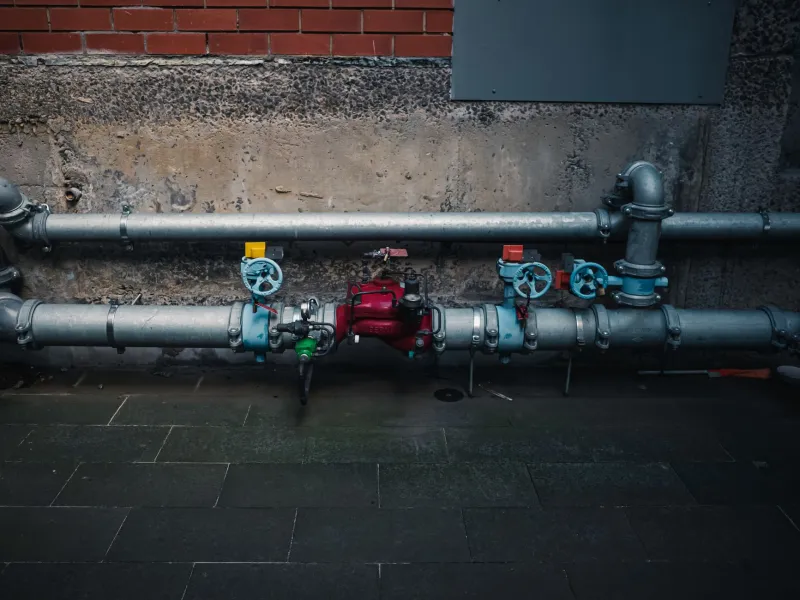
Pipes, Pathogens, and the Perioperative Patient: The Hospital Water Crisis No One Is Talking About

Pipes, Pathogens, and the Perioperative Patient: The Hospital Water Crisis No One Is Talking About

Beneath the gleaming surfaces of American surgical suites runs a labyrinth of aging pipes and stagnant water lines harboring organisms capable of derailing even the most meticulously prepared sterile field. From Legionella to Pseudomonas aeruginosa, waterborne pathogens within hospital infrastructure represent one of the most underappreciated threats to surgical patient safety in the United States. This investigation examines how plumbing becomes a vector, why regulatory frameworks have failed t

The Forgotten Fluid: How Contaminated Surgical Irrigation Solutions Are Quietly Endangering American Patients

The Forgotten Fluid: How Contaminated Surgical Irrigation Solutions Are Quietly Endangering American Patients

Surgical irrigation fluids flow directly into open wounds and body cavities during procedures — yet the sterility of these solutions receives a fraction of the scrutiny applied to surgical instruments. Contaminated irrigation fluid has been implicated in serious postoperative infections across U.S. hospitals, often without patients ever learning the true source of their complications. This article examines the full lifecycle of surgical irrigation fluid, the points at which the sterility chain b

Scoped and Exposed: The Endoscope Reprocessing Crisis That U.S. Hospitals Have Yet to Fully Solve

Scoped and Exposed: The Endoscope Reprocessing Crisis That U.S. Hospitals Have Yet to Fully Solve

Flexible endoscopes are among the most difficult medical devices to disinfect, and the consequences of failure have been catastrophic for thousands of American patients. Unlike heat-tolerant surgical instruments, these complex tools require chemical disinfection protocols that are far easier to perform incorrectly than most hospitals will admit. This article examines the documented outbreaks, the regulatory gaps, and the questions every patient should ask before consenting to an endoscopic proce

Midnight in the Sterile Processing Department: The After-Hours Vulnerability Window Your Hospital Won't Advertise

Midnight in the Sterile Processing Department: The After-Hours Vulnerability Window Your Hospital Won't Advertise

The sterility of your morning procedure may be determined not by your surgeon's skill or your hospital's reputation, but by decisions made in a dimly lit processing room at 2 a.m. by a skeleton crew working under considerable pressure. Staffing shortages, reduced supervisory oversight, and compressed instrument turnaround timelines during overnight shifts in U.S. hospital sterile processing departments create a compounding chain of risk that rarely appears in public quality reports. Understandin

Precision Machines, Imperfect Protocols: The Sterilization Gaps Hiding Inside Robotic Surgery

Precision Machines, Imperfect Protocols: The Sterilization Gaps Hiding Inside Robotic Surgery

Robotic-assisted surgery is celebrated for its precision, but the complex instruments powering these procedures introduce sterilization challenges that traditional surgical tools never posed. From narrow internal channels to proprietary reprocessing restrictions, the sterility blind spots in robotic surgery deserve far more attention than they currently receive. Here is what every patient should understand before consenting to a robot-assisted procedure.

Trusted, Ubiquitous, and Surprisingly Fallible: The Hidden Sterility Risks Inside Every Pair of Medical Gloves

Trusted, Ubiquitous, and Surprisingly Fallible: The Hidden Sterility Risks Inside Every Pair of Medical Gloves

Medical gloves are so deeply embedded in clinical culture that patients rarely question whether they are actually doing their job. Yet manufacturing defects, improper donning practices, and widespread confusion between sterile and non-sterile glove categories create daily sterility vulnerabilities across U.S. healthcare facilities. Understanding these blind spots is the first step toward becoming a more informed and protected patient.

Breathing Safe: What the Air Inside Your Operating Room Reveals About Your Surgical Risk

Breathing Safe: What the Air Inside Your Operating Room Reveals About Your Surgical Risk

The air circulating above an operating table is among the most precisely engineered environments in modern medicine — yet most patients never consider it. From HEPA filtration to laminar airflow and UV-C purification, the systems governing what you breathe during surgery can mean the difference between a smooth recovery and a life-threatening infection.

When Steam Is No Longer Enough: How Sterilization-Resistant Pathogens Are Forcing U.S. Hospitals to Rethink Everything

When Steam Is No Longer Enough: How Sterilization-Resistant Pathogens Are Forcing U.S. Hospitals to Rethink Everything

For more than a century, the autoclave has stood as the cornerstone of surgical sterilization — a near-infallible weapon against microbial contamination. But a new generation of hardy, drug-resistant pathogens is exposing the limits of steam sterilization, compelling hospitals and surgical centers across the United States to confront an uncomfortable truth: the tools they trust most may not always be enough.

Beyond the Blade: The Hidden Environmental Threats Inside Today's Operating Rooms

Beyond the Blade: The Hidden Environmental Threats Inside Today's Operating Rooms

Surgical skill is only one piece of the patient safety equation. Mounting evidence suggests that airflow disruptions, door traffic, and team movement patterns inside the operating room pose contamination risks that credentials alone cannot address. Understanding these environmental factors equips patients to ask the right questions before any procedure.

From Factory Floor to Operating Room: How the Invisible Journey of a Surgical Implant Can Make or Break Patient Safety

From Factory Floor to Operating Room: How the Invisible Journey of a Surgical Implant Can Make or Break Patient Safety

A surgical implant's safety is not determined solely in the operating room — it is shaped by every warehouse shelf, delivery truck, and receiving dock it passes through before surgery. Temperature deviations and supply chain lapses can silently compromise sterility and structural integrity without leaving any visible trace. Understanding how leading facilities safeguard the cold chain is essential knowledge for every patient preparing for an implant procedure.

Twelve Hands, One Scalpel: The Rigorous Path a Surgical Instrument Travels Between Patients

Twelve Hands, One Scalpel: The Rigorous Path a Surgical Instrument Travels Between Patients

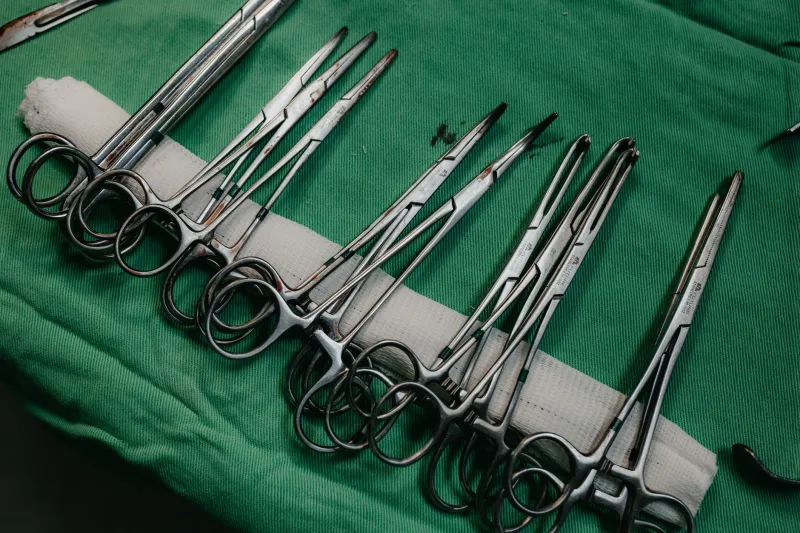
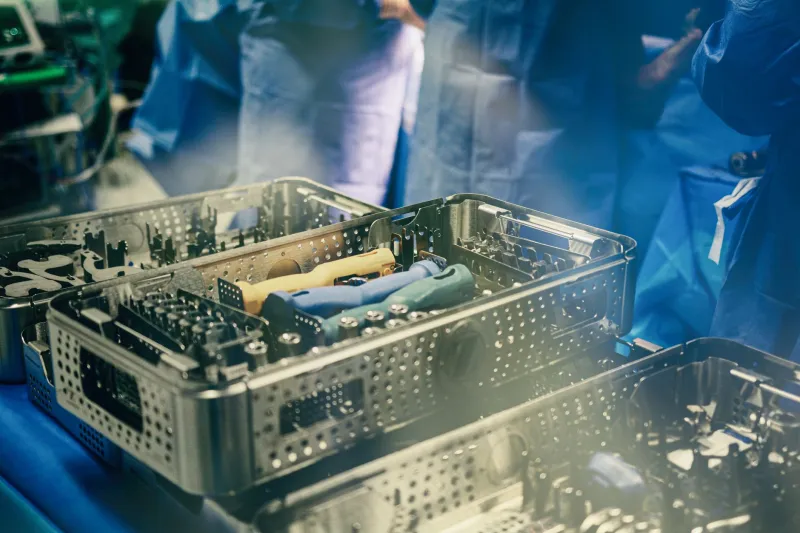
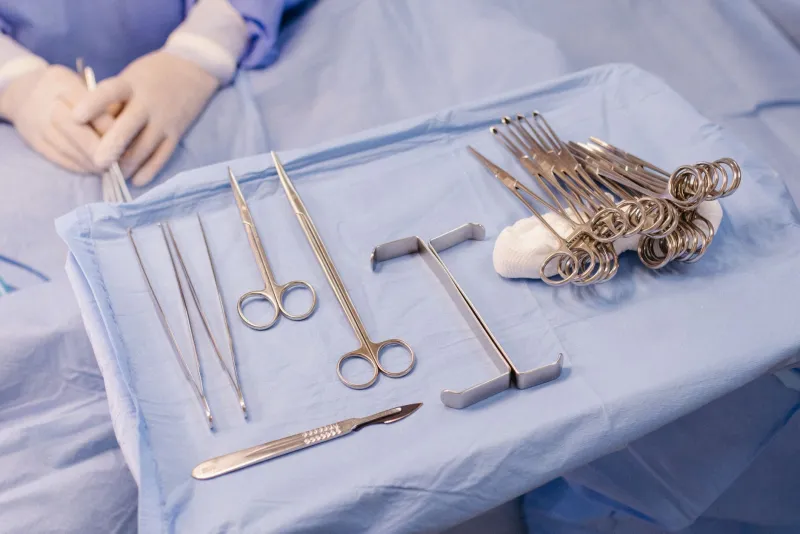
Most patients never consider what happens to a surgical instrument after it leaves the operating room — or the extraordinary number of steps required before it can safely return. From contaminated tray to sterile field, the journey of a single scalpel or forceps involves meticulous inspection, chemical decontamination, precision packaging, and validated sterilization cycles managed by highly trained technicians. Understanding this process can transform the way patients evaluate the facilities th

The Guardian at the Table: Inside the Split-Second Decisions That Keep Surgical Sterility Intact

The Guardian at the Table: Inside the Split-Second Decisions That Keep Surgical Sterility Intact

While surgeons receive the spotlight, it is the surgical technologist who stands as the last line of defense against contamination during a live procedure. Their moment-to-moment vigilance — flagging a dropped instrument, redirecting a careless hand-off, managing an entire sterile field under pressure — directly shapes whether a patient recovers without complication. Understanding their role empowers patients to ask better questions and advocate for properly staffed operating rooms.

Sterile in Name Only: The True Price of Infection Control Failures and How Patients Can Protect Themselves

Sterile in Name Only: The True Price of Infection Control Failures and How Patients Can Protect Themselves

Surgical site infections remain one of the most preventable yet persistently common complications in American healthcare, often tracing directly back to lapses in sterile technique. Beyond the physical toll, these infections carry staggering financial and emotional costs that fall disproportionately on patients. Understanding how SSIs develop—and knowing the right questions to ask before any procedure—may be among the most important steps a patient can take.

When 'Sterile' Is No Longer Safe: The Silent Risks of Expired and Improperly Stored Medical Supplies

When 'Sterile' Is No Longer Safe: The Silent Risks of Expired and Improperly Stored Medical Supplies

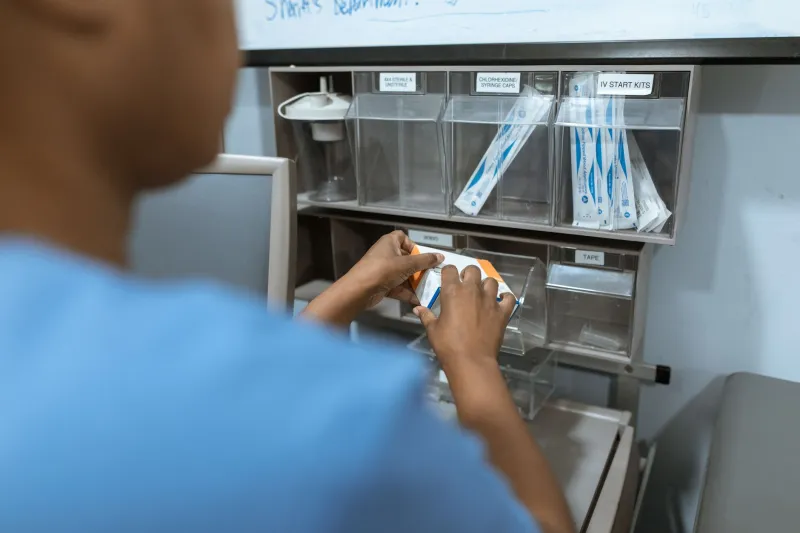
A sterility label on a medical supply package is not a permanent guarantee — it is a conditional promise that depends on intact packaging, controlled storage environments, and strict inventory rotation. Understanding how sterile supplies can silently become compromised may be one of the most important steps a patient can take before any procedure. This article examines the real-world consequences of supply mismanagement and offers practical guidance for patients who want to ask smarter questions

Two Words, One Critical Distinction: What Every Patient Must Understand About Clean Versus Sterile

Two Words, One Critical Distinction: What Every Patient Must Understand About Clean Versus Sterile

Most people assume that a 'clean' surgical environment is safe enough — but in medicine, clean and sterile represent two entirely different standards of microbial control. Understanding the gap between these terms could be the most important health literacy lesson you ever learn. Here is what the science says, what the consequences of confusion look like, and how to recognize a facility that refuses to cut corners.

The Invisible Shield: How Sterile Processing Departments Quietly Protect Every American Surgical Patient

The Invisible Shield: How Sterile Processing Departments Quietly Protect Every American Surgical Patient

Before a single incision is made, an entire department of trained professionals has already worked to ensure every instrument touching your body is free of harmful pathogens. Sterile processing is rarely discussed in patient conversations, yet its standards directly determine whether a surgery ends in recovery or complication. This article explores the science, the statistics, and the stakes behind one of American healthcare's most critical — and least celebrated — disciplines.